Why most Подбор компьютерной периферии projects fail (and how yours won't)
The $3,000 Mistake That Keeps Happening
Last month, a game developer friend called me, frustrated. He'd just spent $2,800 on peripherals for his new studio—mechanical keyboards, gaming mice, headsets, the works. Within three weeks, his team was complaining about wrist pain, the keyboards were too loud for voice recording sessions, and two mice had already malfunctioned. Sound familiar?
Here's the uncomfortable truth: most peripheral selection projects crash and burn not because people buy cheap gear, but because they approach the entire process backwards.
Why Smart People Make Dumb Peripheral Choices
The average person spends 47 seconds choosing a mouse online. They read three reviews, check the price, and click "buy." Then they wonder why their hand hurts after six months.
The real culprits behind failed peripheral projects are surprisingly consistent:
Specs Over Substance
That mouse with 20,000 DPI sounds impressive until you realize most people can't even use settings above 1,600 DPI comfortably. I've watched companies buy keyboards with 16.8 million color options when their employees just wanted keys that didn't feel like mush. Features aren't benefits if nobody uses them.
The Influencer Trap
Professional gamers use ultra-lightweight mice and 60% keyboards because they play FPS games eight hours daily. You're a graphic designer who needs a numpad and precision, not reaction time measured in milliseconds. Copying someone else's setup without considering your actual workflow is like wearing someone else's prescription glasses.
Bundle Blindness
Those "complete peripheral sets" for $199? They're compromises wrapped in matching colors. The mouse might be decent, but the keyboard feels like typing on cardboard, and the headset has audio quality from 2015. You end up replacing half the bundle within six months, spending more money than if you'd chosen pieces individually.
Red Flags You're About to Waste Money
You're heading for trouble if you catch yourself thinking:
- "This has 4.5 stars, must be good"—without reading what actual users in your field say
- "I'll get used to it"—no, that uncomfortable grip will still hurt in three months
- "It's on sale, 40% off!"—meaningless if the original price was inflated
- "Everyone at work has this one"—your colleague with giant hands loves that mouse; you have small hands
How to Actually Get This Right
Step 1: Track Your Real Usage (One Week)
Before buying anything, spend one week noting what you actually do. How many hours daily? What software? Do you use the numpad? Function keys? Side mouse buttons? A video editor needs different tools than a data analyst. Write this down.
Step 2: The Ergonomics Reality Check
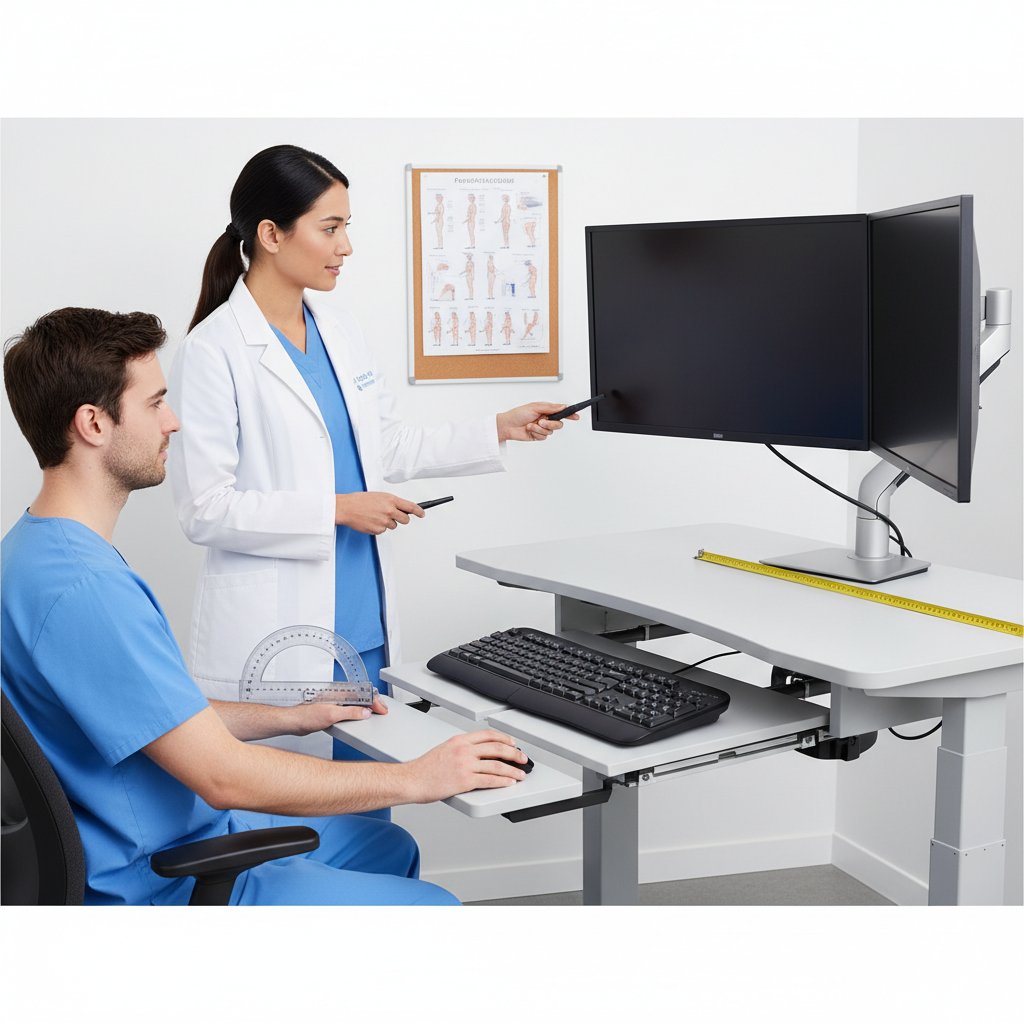
Measure your hand from wrist to middle fingertip. Under 17cm? Standard gaming mice will feel like holding a brick. Over 19cm? Compact mice will cramp your hand. Check manufacturer specs—good companies list recommended hand sizes. This alone prevents 60% of peripheral returns.
Step 3: Test Before Investing
Visit a physical store. Seriously. Fifteen minutes touching keyboards tells you more than fifty YouTube reviews. Notice which switches feel right. Some people love the clicky feedback of Blues; others find them annoying. There's no "best"—only what works for your fingers and ears.
Can't visit stores? Buy from retailers with free returns. Amazon, Best Buy, and specialized PC shops often offer 30-day windows. Test at your actual desk, doing your actual work.
Step 4: The One-Piece-at-a-Time Rule
Replace peripherals individually, not all at once. Start with whatever you touch most—usually the mouse or keyboard. Use it for two weeks. Adjust to the change. Then move to the next item. Your brain can adapt to one new tool; three simultaneously just creates confusion and buyer's remorse.
Step 5: Build Your Shortlist Smart
Find three options at different price points: budget, mid-range, premium. Read the negative reviews first—they reveal deal-breakers. Look for patterns. If twelve people mention "double-clicking issues after four months," that's data, not bad luck.
The Prevention Playbook
Set a realistic budget that includes potential returns. If you're spending $100 on a keyboard, factor in $15 for return shipping if it doesn't work out. This removes the pressure to "make it work" with something uncomfortable.
Create a 30-60-90 day check-in. At 30 days, assess comfort. At 60 days, evaluate durability. At 90 days, decide if you'd buy it again. This catches problems before warranties expire.
Document what works. Take photos of your setup. Note model numbers. When something breaks in two years, you'll know exactly what to replace it with instead of starting from scratch.
My game developer friend? He returned everything, visited a local PC shop, tested keyboards with his sound engineer present, and bought peripherals one at a time over six weeks. Total cost: $2,400. Complaints: zero. His team is still using the same setup 18 months later.
That's not luck. That's just doing it in the right order.